Captures daily-life signals from XO-built and partner sensing devices.
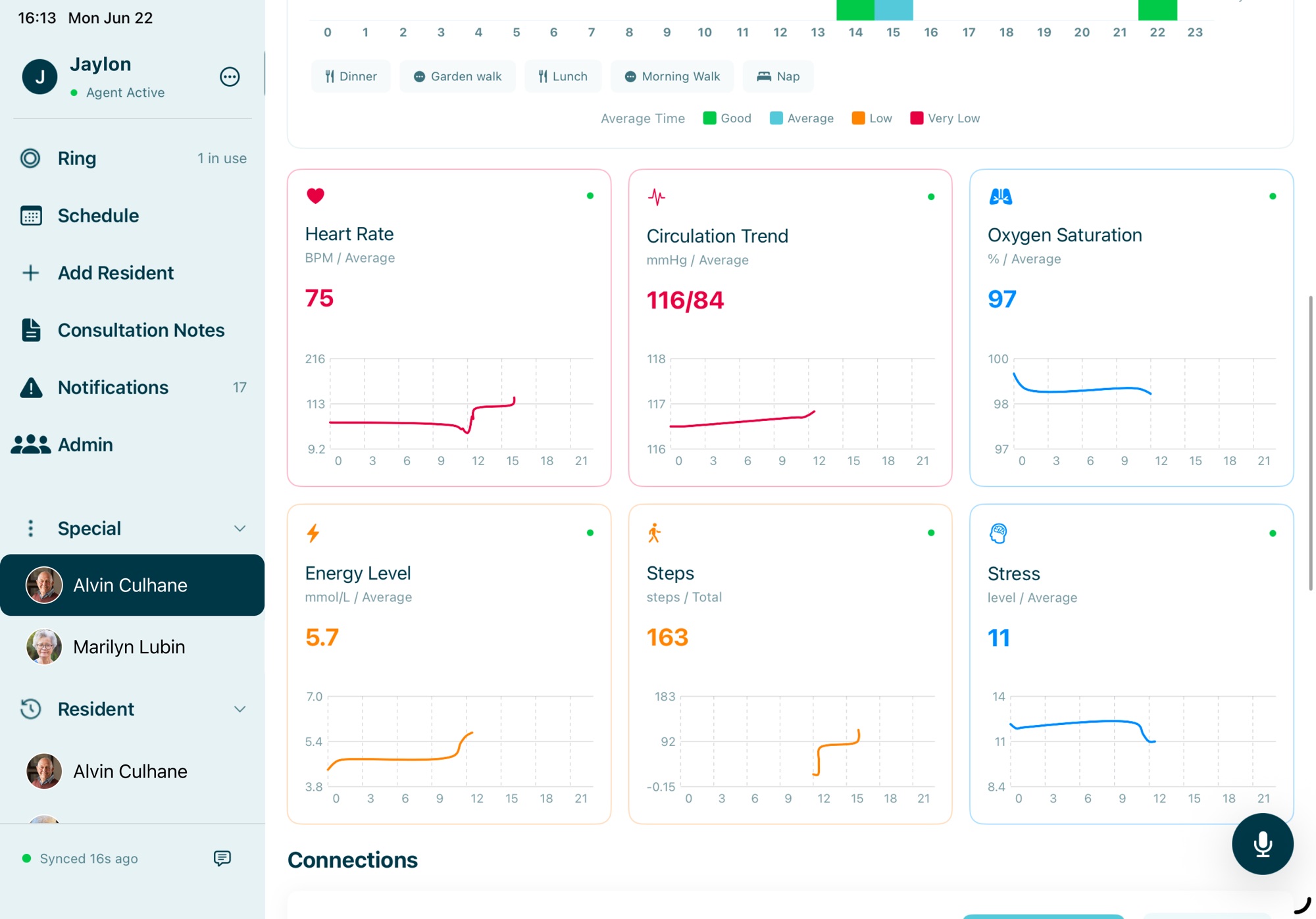
Physiological, activity and environmental signals can be captured through everyday life without adding manual observation work.
XO turns sensor signals, care records and staff notes into a common language for AI reasoning and reporting. Our AI agents then prepare and deliver the resulting work through existing systems and operator-branded applications based on approved SOPs.

A sensor captures a signal. A care system stores a record. A staff member notices something different. Bringing those inputs together does not, by itself, explain what happened or what it means for this person.
XO connects the evidence, interprets it against the person’s evolving baseline and keeps the meaning attached as it moves into documentation, reporting and review.
The result is a current, evidence-linked understanding that can be reused without rebuilding the story for every shift, assessment or report.
AI is part of the platform’s operating layer from the beginning. XO evaluates source, timing, place, reliability and relationship to the person’s baseline. It also considers evidence that supports or contradicts an interpretation.
The explanation begins with the best-supported account of what happened, not with a raw sensor label treated as fact.
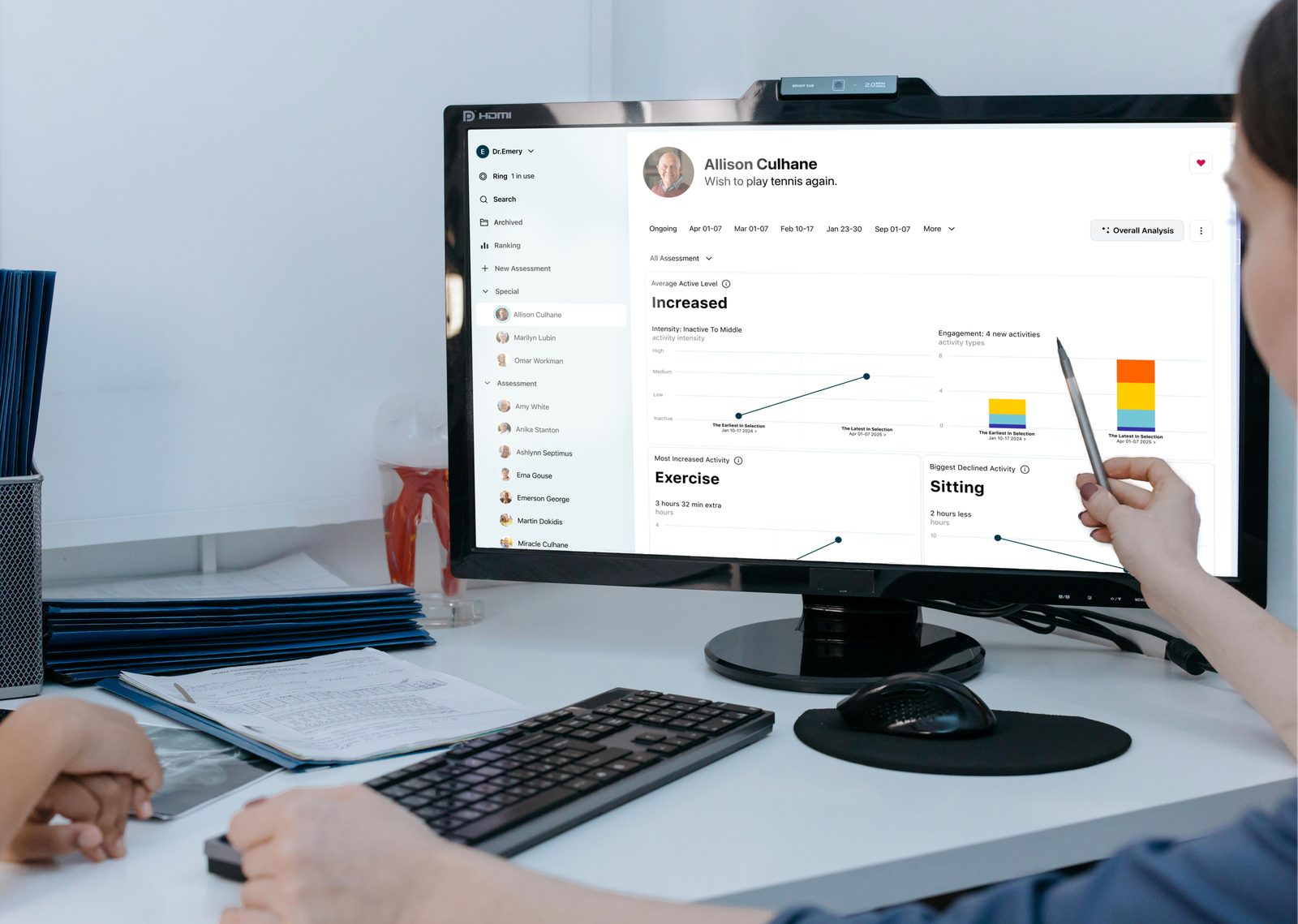
XO translates authorized signals, records and notes into a common evidence model. That model preserves who or what the evidence relates to, where and when it was captured, how reliable it is and how it compares with the person’s baseline.
Care teams, connected systems and AI agents can use the same interpretation without stripping away its context.
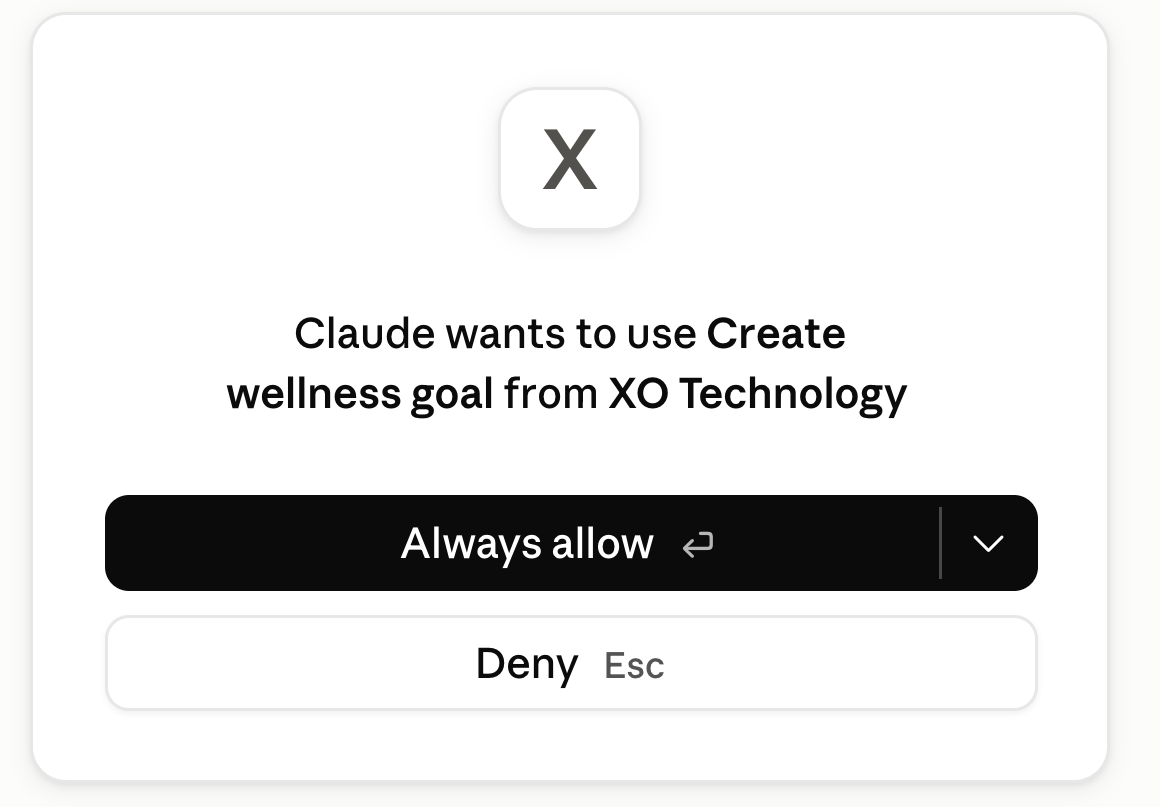
XO’s governed agents gather the relevant evidence, apply authorized procedures and business rules, prepare the required output and route it for review.
The same evidence can support plain-language narratives, documentation, assessments, care-plan revisions and reports. Human review remains part of the workflow.
Physiological, activity and environmental signals can be captured through everyday life without adding manual observation work.
Gateway brings existing information into the same intelligence layer, including assessments, nurse call, incident records, location systems and operational data.
Mesh identifies sustained and directional change, explains the interpretation in plain language and keeps the supporting evidence available.
Assist completes the defined administrative work for care-team review. It does not make care decisions.
Surface can use integrations, APIs, scheduled reports or tailored interfaces. The end user can remain entirely within the organization’s familiar workflow.
Sense captures. Gateway connects. Mesh interprets. Assist completes. Surface delivers.
Organizations can receive XO intelligence through their current care systems and reports. Partners can return it through their own product. Operators can deploy a white-labelled application designed around their brand, roles and workflows.
In every model, the XO Functional Intelligence Platform provides the same interpretation, evidence trail, governance and workflow support underneath.
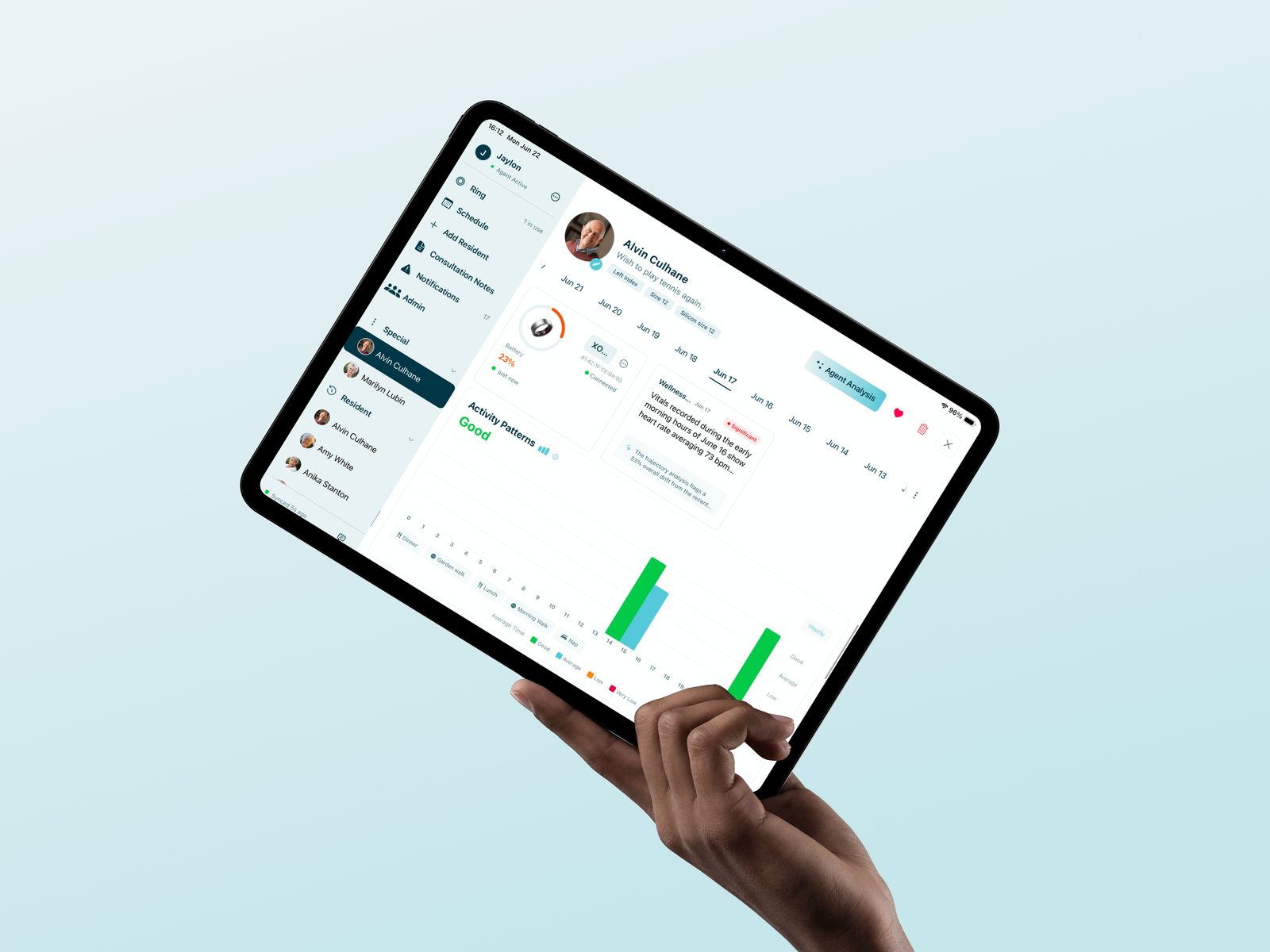
The EHR remains the record. Nurse-call and safety systems continue to support immediate response. Sensors continue to capture their signals. XO connects and interprets the evidence, then returns shared understanding and completed work to the existing workflow.
XO surfaces intelligence. Caregivers decide and act.
XO does not diagnose, prescribe or replace professional judgment.